I'm busy, detail oriented, cost conscious and highly selective as to whom works in and/or around my home. This is a service based company that actually provides superior service. Don't waste anymore time... call them. ~ a satisfied customer for three years.
Weed Control as Soil Care: Healthier Soil Means Fewer Weeds
28 Jan '26
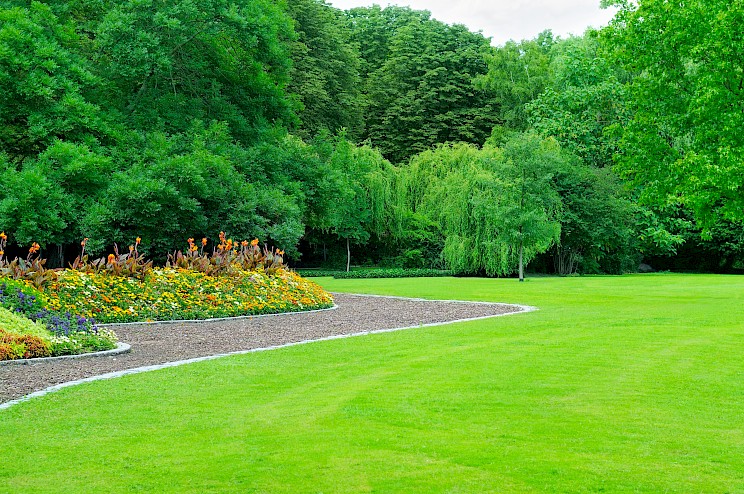
Are you looking for a better way to take care of your yard? Maybe you have lots of weeds everywhere that you want to get rid of, or you simply want to improve the soil. Both of these have direct impacts on one another.
What are the effects of weed control on soil?
Controlling weeds entails more than just removing invasive plants. It has an immediate influence on the soil's ability to transport water, minerals, and oxygen.
Undisturbed weeds pose a serious threat to grass because of the fierce competition they have for water and sunlight. This damages soil quality and weakens the grass over time.
Careful weed management in conjunction with soil maintenance, on the other hand, helps bring about a balance below the ground, allowing grass to flourish and weeds to perish.
Weed removal reduces competition for nutrients and water
The root systems of many weeds are shallow and rapidly growing, allowing them to drain the soil of its nutrients and water. This prevents grass roots from receiving the support they need to establish themselves firmly. Weed control increases the availability of nitrogen and phosphorus to the grass.
Weed control also helps alleviate soil compaction in trouble spots. Soils that are already compacted, have a lack of organic matter, or are under stress tend to have more weeds.
As soon as weeds are out of the way, helpful soil additives like aeration and organic treatments can reach the root zone more easily.
Healthy soil supports thicker turf that naturally blocks weeds
One of the best ways to naturally keep weeds at bay is to have thick, lush grass. Grass grows thicker and with deeper root systems when the soil has the correct combination of nutrients, microorganisms, and organic matter. The result is a canopy that prevents weed seeds from germinating by shading the soil surface.
Compared to lawns that depend only on surface-level treatments, those with a robust subsurface structure recover from stress and fight weed incursions better. And because the grass eventually acts as its own defense, the frequency of weed treatments decreases as soil health improves.
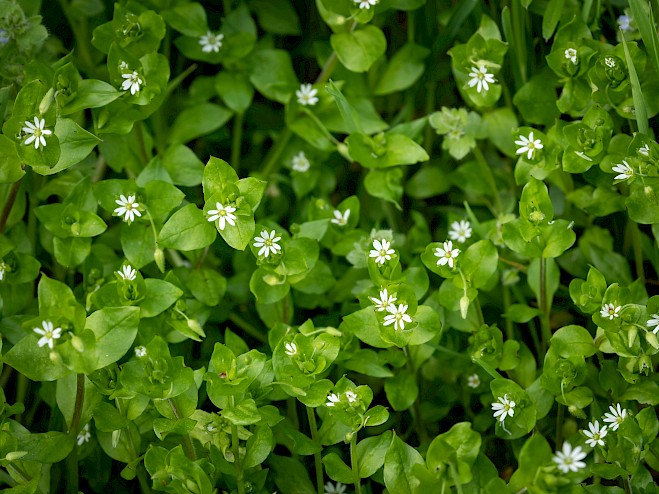
The wrong weed control methods can harm soil biology and structure
Some weed-killing techniques are bad for the soil, such as:
-
Careless or excessive use of chemical herbicides. The decomposition of organic materials and the cycling of nutrients are processes in which beneficial bacteria, earthworms, and fungi all participate. Destroying these living things with chemicals compacts the soil, making it lifeless and more susceptible to weed infestations in the future.
-
Mechanical deterioration of soil structure. Damage to the grass roots and soils caused by aggressive pulling or misuse of equipment might encourage the spread of new weeds.
Always remember to mow at the correct height, aerate the soil, and use targeted treatments rather than blanket applications when trying to eliminate weeds. These methods will help safeguard the soil's health.
Learn more about proper weed control and soil care today!
Healthier soil and fewer weeds mean you get a yard that is easier to take care of and keep lush and beautiful. This is why it's so important to use proper weed control methods when maintaining your lawn. You don't want to risk damaging the soil structure or disturbing the overall balance of nutrients, moisture, and microorganisms.
If you're ready to learn more about balanced lawn care, call Custom Weed & Pest Control today!
What our Clients say
 Charles M., Mesa
I'm so very happy with Custom Weed & Pest Control. I had extremely tenacious weeds, and while they had to come out multiple times to get rid of them, it was covered under my warranty. Now they're gone, and I couldn't be happier.
Janice L., Chandler
Your service was phenomenal, and I would recommend you to all my friends.
Mike M., Glendale
They did a great job and all my weeds are dying as promised. My backyard no longer looks like a jungle. Thanks
Marty G., Cave Creek
Very happy with services. I would like to schedule for both houses this time around.
Mike M., Glendale
I was very happy with the service and I would like to setup another appointment.
James H., Phoenix
Great people, great results equals great company!
Daniel C., Arizona